WindACT
Wind Farm Noise Annoyance and Community Impact
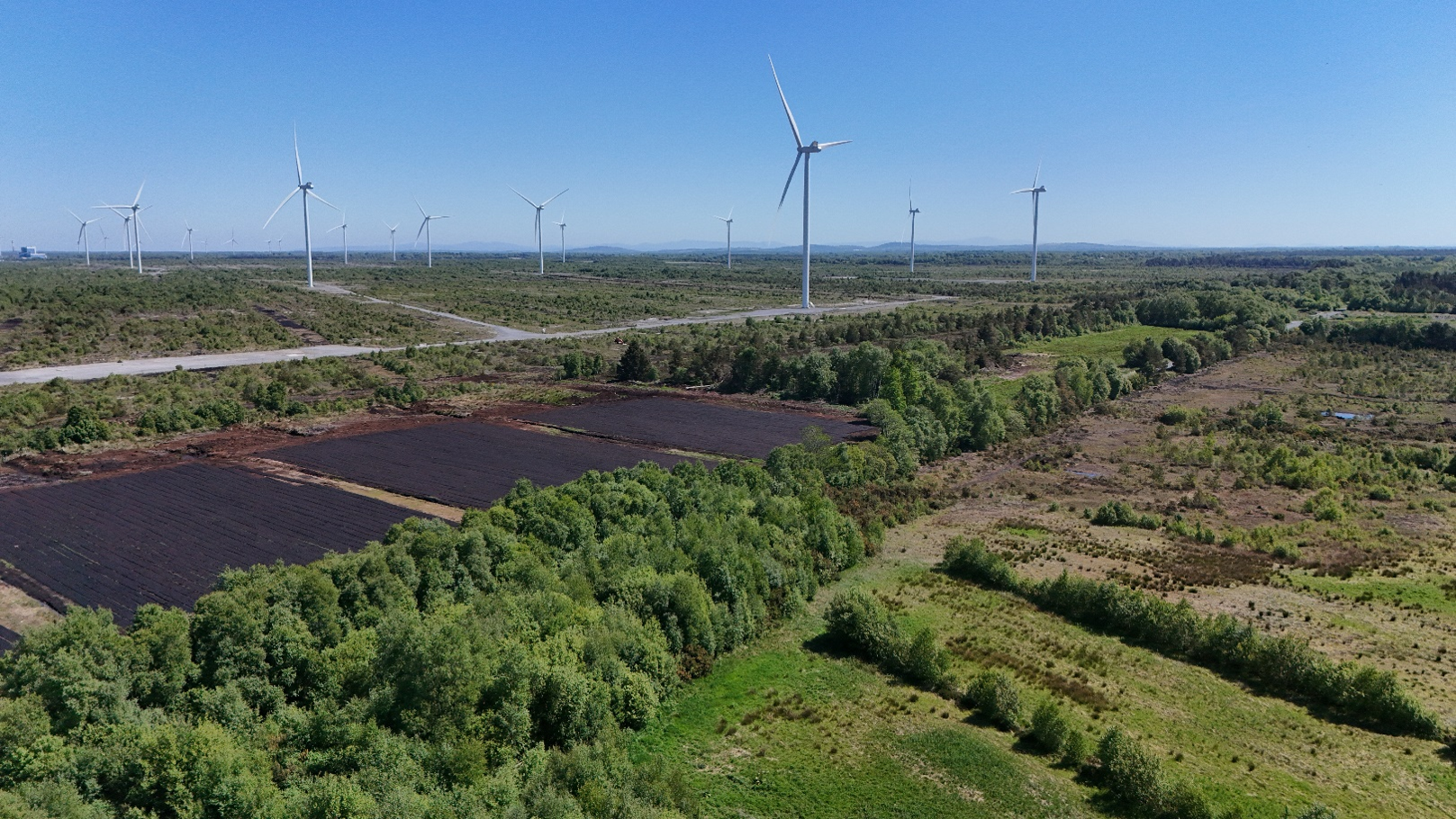
Photo Credit: Prof Chaosheng Zhang
Onshore wind is central to Ireland’s plans for renewable electricity by 2030 and net zero by 2050, and that depends on support from the communities who live alongside wind farms. Recent noise nuisance cases in the Irish courts have led to turbines being curtailed or shut down. Because complying with planning conditions does not protect a wind farm from a nuisance claim, this uncertainty affects both new developments and existing ones. Annoyance caused by wind turbine sound is widely identified as a key driver of community opposition. Yet how that annoyance arises, and when it becomes a legal nuisance, remains poorly understood.
WindACT brings together engineering, psychology and law to answer three questions.
What is it about wind turbine sound that people find annoying?
How and when does annoyance lead to nuisance claims?
And how are those claims interpreted and evaluated in Irish law?
By combining acoustic measurements with what residents actually experience, the project aims to reduce the uncertainty that currently worries communities and the wind energy sector alike.
The project is divided into five work packages. WP1 covers project management and a steering committee of academic, community and industry stakeholders. WP2 develops a theoretical and policy framework: it reviews the research on wind turbine sound and annoyance, maps how nuisance is defined in Irish law, and designs a community survey. WP3 takes the work into the field. Long-term acoustic and meteorological measurements at Irish wind farms will be paired with surveys of nearby residents, so that the features of the sound, the weather conditions and residents’ responses can be analysed together. WP4 moves into the lab, using controlled experiments to examine how wind turbine sound affects cognition, annoyance, property valuation and intent to pursue a nuisance claim. Open science and public engagement run throughout the project, and WP5 is dedicated to dissemination and impact.
The WindACT project is funded by the SEAI National Energy RD&D Funding Programme 2025 (Grant No. 25/RDD/1354).