Shellwise
Assessment of the Impacts from Subsurface Noise and Vibrations due to Offshore Wind Farms on the Health of Marine Invertebrates
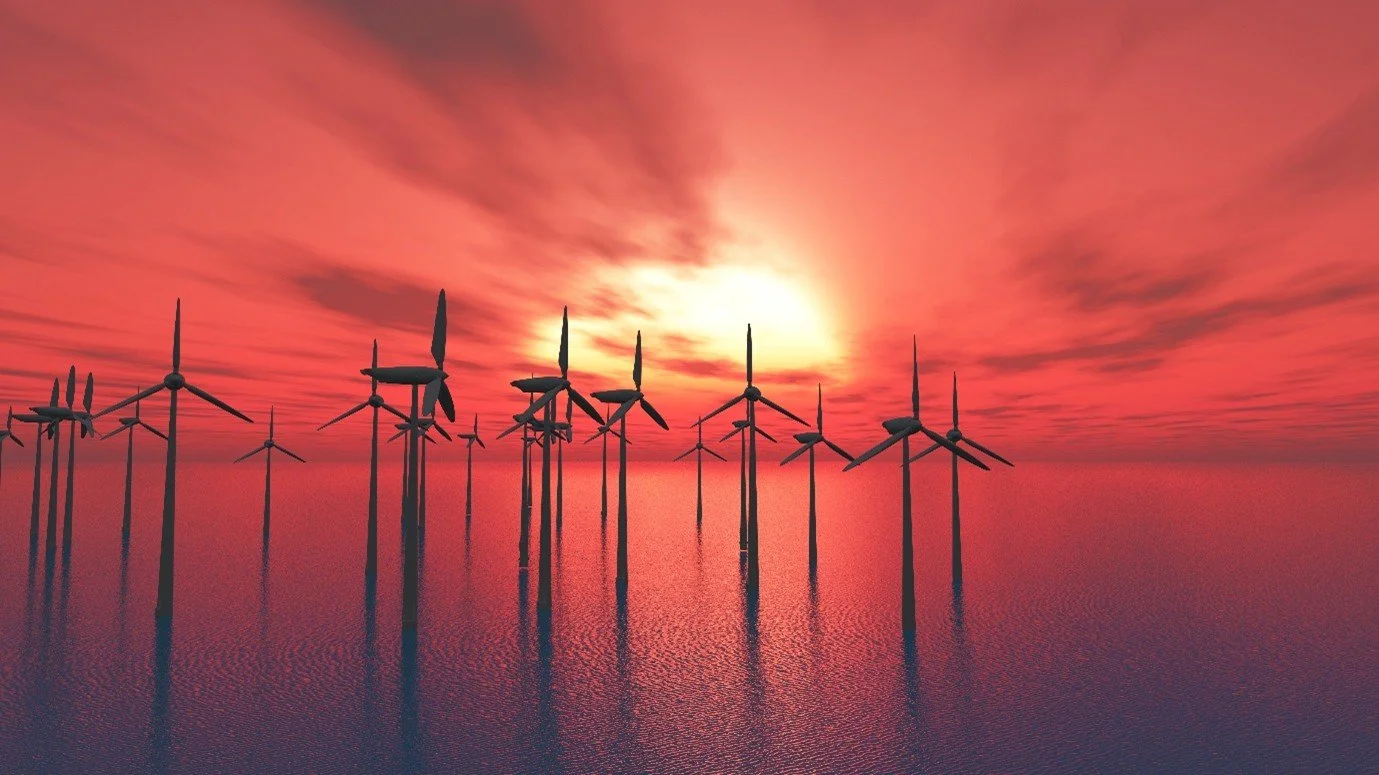
As part of a larger commitment to a sustainable, low-carbon future, Ireland is quickly increasing its offshore wind energy capacity. Although this change is beneficial and essential, it also entails a responsibility to comprehend and control any possible effects on the maritime ecosystem. This study aims to close a significant and mostly overlooked gap in the literature regarding the effects of underwater noise pollution on shellfish.
When offshore wind turbines are installed and operated, they generate acoustic energy that travels through the water and seabed, creating changes in pressure and particle motion. Environmental impact assessments have so far predominantly concentrated on marine mammals, which have a well-established sensitivity to sound. However, invertebrates such as crabs, lobsters, oysters, and mussels, despite their crucial importance in Ireland's coastal ecosystems and fishing industry, have gotten significantly less attention.
SHELLWISE takes an multi work package approach to assess this gap in research. The project will investigate how different shellfish species detect and respond to varying sounds, quantify the physiological stress caused by noise pollution, develop a sensitivity index to identify species at the most risk, and model how noise from offshore turbines propagates through the marine environment. Together, these work packages will form the evidence base needed to inform responsible offshore windfarm development, ensuring that Irelands clean energy future does not negatively impact the important ecosystems across the coast.
The SHELLWISE project is funded by the SEAI National Energy Research, Development & Demonstration (RD&D) Programme 2024.